





Gold Plating
Our gold plating production line planning support helps manufacturers prepare reliable, compliant and export-ready plating operations for precision metal parts, connectors, electronic components and CNC-machined hardware. For projects in the Philippines, gold plating is not only a surface finishing process — wastewater treatment, exhaust control, hazardous waste management and environmental permits are also critical to successful factory approval and long-term operation.
-

Gold Plating Process Planning: Support for pre-treatment, acid pickling, nickel plating, gold plating, passivation and rinsing line design.
-
Wastewater & ETP Support: Classification of acid-alkali wastewater, heavy-metal wastewater and cyanide-containing wastewater.
-
Air Emission Control: Acid mist scrubber and activated carbon system planning for plating workshops.
-
Philippines Compliance-Oriented Setup: Support for ECC, discharge permits, air permits and hazardous waste management preparation.
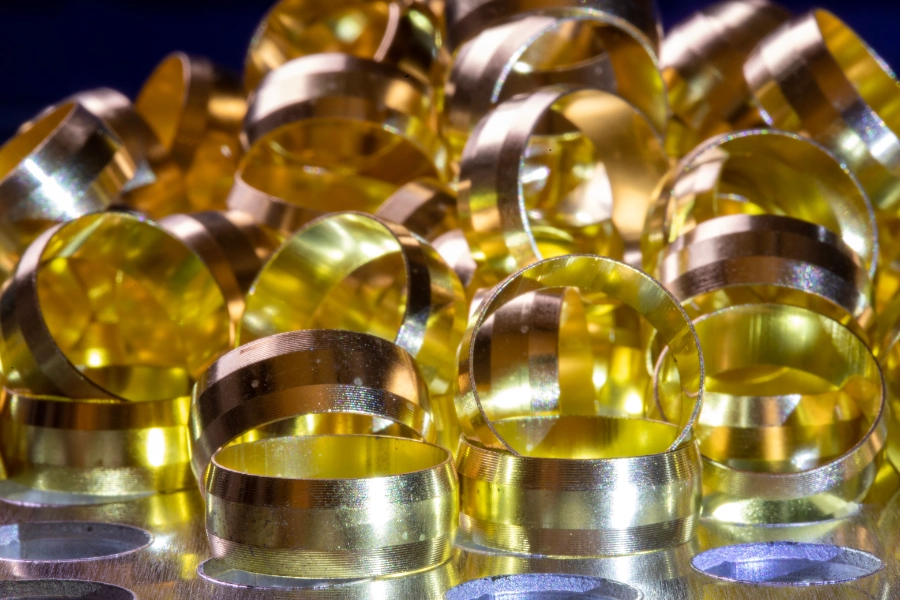
Gold Plating Line Planning for Philippine Manufacturing Projects
Gold plating is widely used for components that require conductivity, corrosion resistance, stable contact performance and high-value surface appearance. However, when building a gold plating line in the Philippines, the environmental control system must be considered from the beginning of the project.
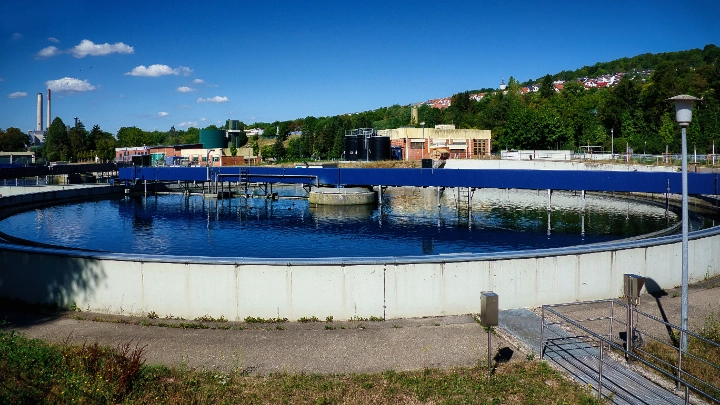
A typical gold plating line may include degreasing, acid cleaning, nickel plating, gold plating, passivation and multiple rinsing stages. These processes can generate wastewater containing nickel, copper, zinc, gold, cyanide, acid-alkali waste, COD and suspended solids. For this reason, gold plating is usually treated as a key regulated process and must be supported by a properly designed wastewater treatment system before production starts.

Advantages of Compliance-Oriented Gold Plating Planning

Lower Approval Risk
Plan wastewater, exhaust and hazardous waste control before construction instead of correcting problems after inspection.

Cleaner Workshop Operation
Separate collection, closed transfer and proper exhaust capture help improve workshop safety and production stability.

Export Customer Readiness
Support requirements from automotive, electronics and connector customers that often request environmental records, online pH monitoring, ETP operation status and hazardous waste logs.

Scalable Production Design
Plan treatment capacity based on line size, wastewater volume and future expansion needs, from small plating lines to export-oriented factories.
Gold Plating Technical Information
Gold plating line planning should consider both the production process and the environmental system. The final design depends on plating chemistry, tank size, daily wastewater volume, workshop layout, local discharge standards and customer audit requirements.
| Process / Control Area | Main Concern | Recommended Control Method | Key Notes |
|---|---|---|---|
| Degreasing / Pre-treatment | Oil, cleaning agent, COD | Classified collection, pH adjustment, chemical treatment | Solvent-based cleaning may require VOC control |
| Acid Pickling | Acid-alkali wastewater, acid mist | Neutralization, alkali scrubber, corrosion-resistant ducting | HCl and H₂SO₄ acid mist should be captured |
| Nickel Plating | Nickel-containing wastewater, nickel mist | Heavy-metal precipitation, sedimentation, filtration | Nickel is a key controlled pollutant |
| Gold Plating | Gold-containing wastewater, possible cyanide system | Independent wastewater collection, metal recovery consideration | Cyanide-based systems require separate treatment |
| Cyanide Wastewater | CN⁻ pollution risk | Alkaline chlorination, sodium hypochlorite oxidation | Usually a major focus in environmental review |
| Rinsing | Diluted metal wastewater | Counter-flow rinsing, classified collection, reuse system | Good rinse design reduces wastewater volume |
| Exhaust System | Acid mist, nickel mist, VOC | Scrubber + activated carbon when needed | Removal efficiency can be improved with proper capture |
| Hazardous Waste | Sludge, spent carbon, spent plating solution | Hazardous waste registration and licensed disposal | Waste transfer records should be maintained |

Note: Final ETP capacity, exhaust volume and permit requirements should be confirmed according to the actual production line, plating chemistry, factory location and Philippine environmental review requirements.
Environmental Control Items for Gold Plating Lines
Gold plating projects require more than plating tanks and rectifiers. The environmental protection system should be designed as part of the whole production line.
- Aluminum 6061
- Aluminum A5052
- Brass
- Copper(CU)
- Zinc Alloy
- Nickel / Nickel Alloy
- Aluminum 6061
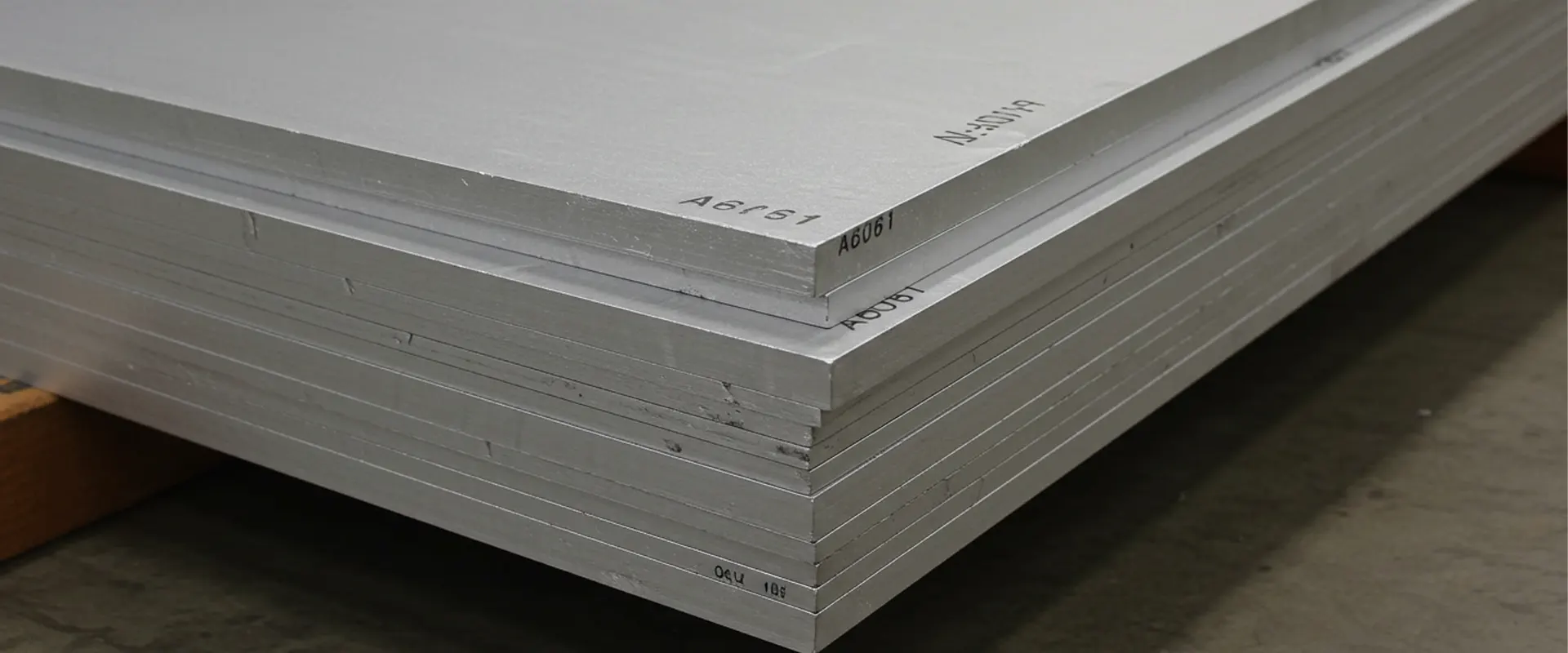
Aluminum 6061
Aluminum 6061 is a lightweight, versatile alloy with excellent strength, corrosion resistance, and weldability. Widely used in aerospace, automotive, marine, and structural engineering.
Density:
2.8 g/cm³
- Aluminum A5052
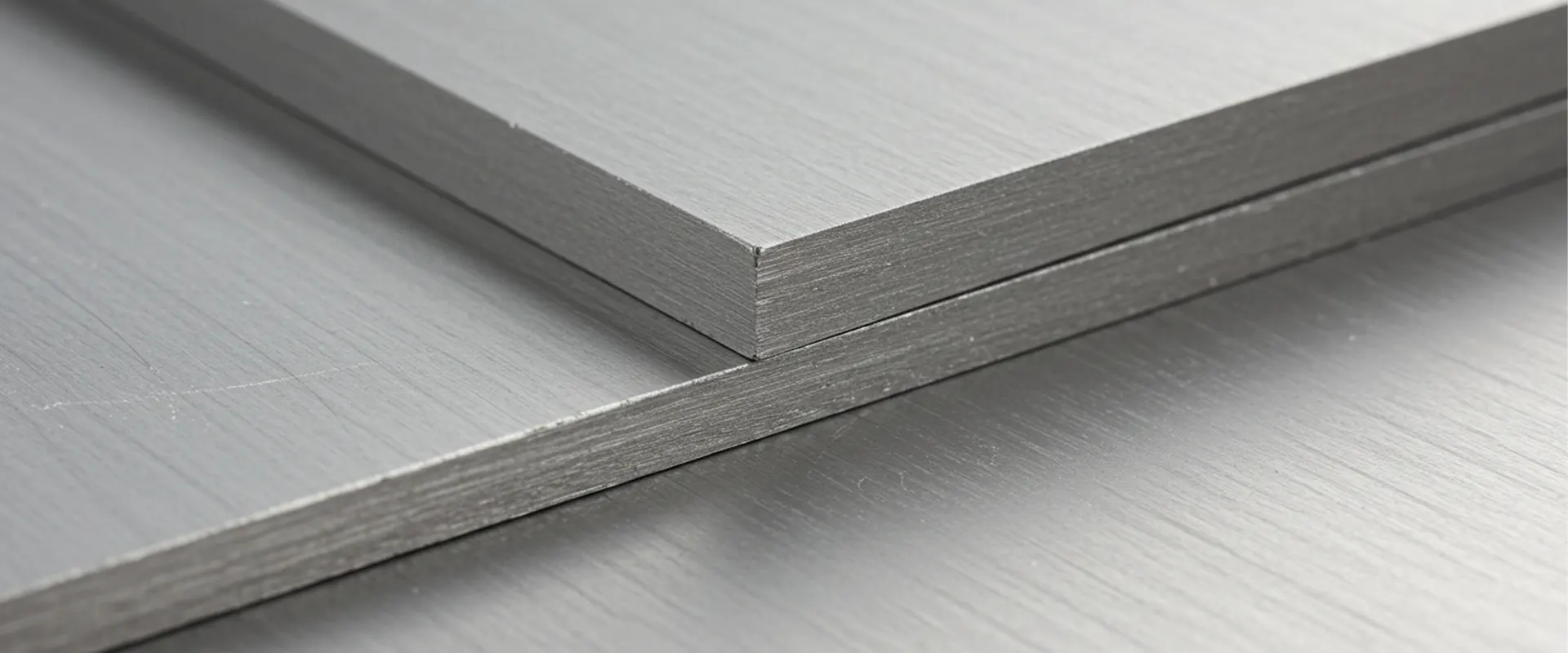
Aluminum A5052
Aluminum A5052 is a strong, corrosion-resistant alloy with excellent weldability, ideal for marine, automotive, and industrial applications.
Density:
2.8 g/cm³
Price:
approx. $ 2.98/kg
- Brass
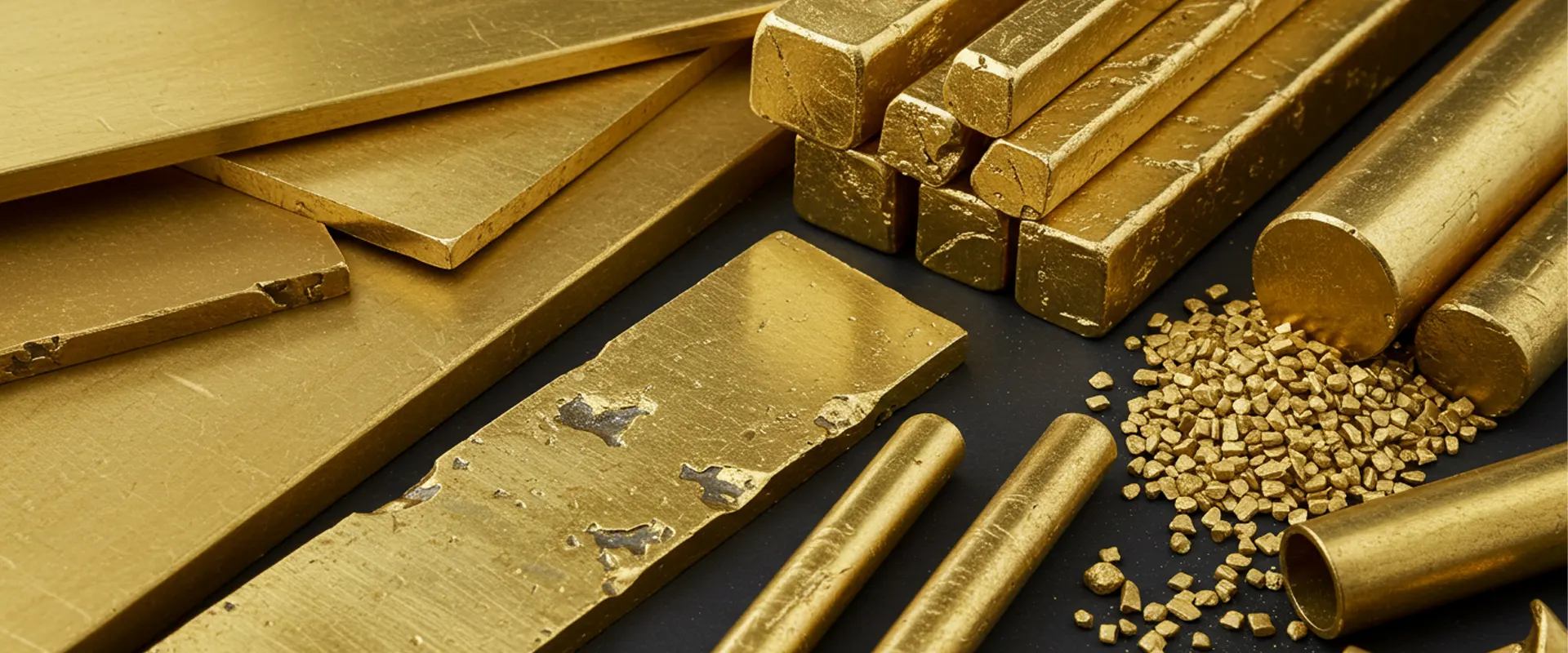
Brass
Brass is a copper-zinc alloy known for its good mechanical properties, excellent corrosion resistance, and attractive golden color. It is widely used in decorative fittings, electrical components, plumbing, and precision machined parts.
Density:
8.9 g/cm³
- Copper (CU)
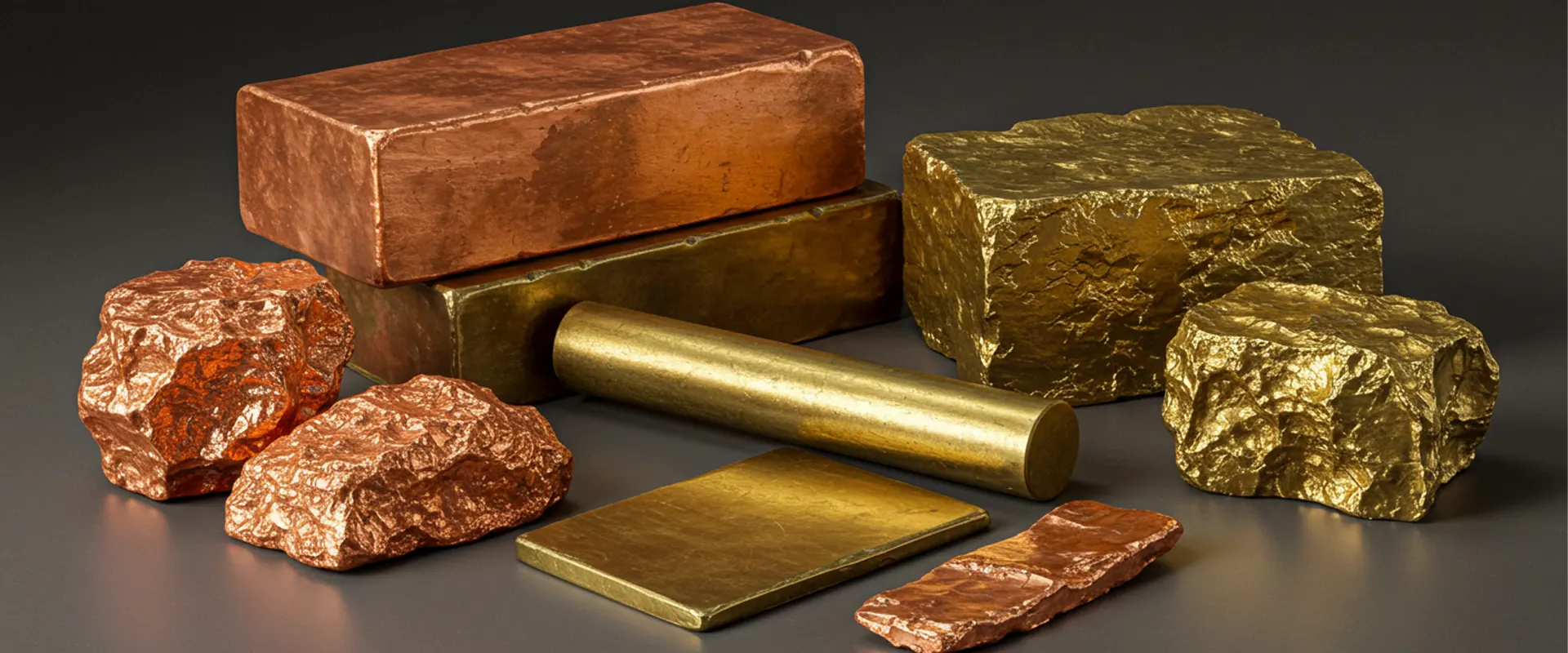
Copper (CU)
Copper is a versatile metal with excellent conductivity, corrosion resistance, and durability, widely used in electrical, industrial, and structural applications.
Color:
Brass/Bronze/Copper
Density:
8.9 g/cm³
- Zinc Alloy (Zn)
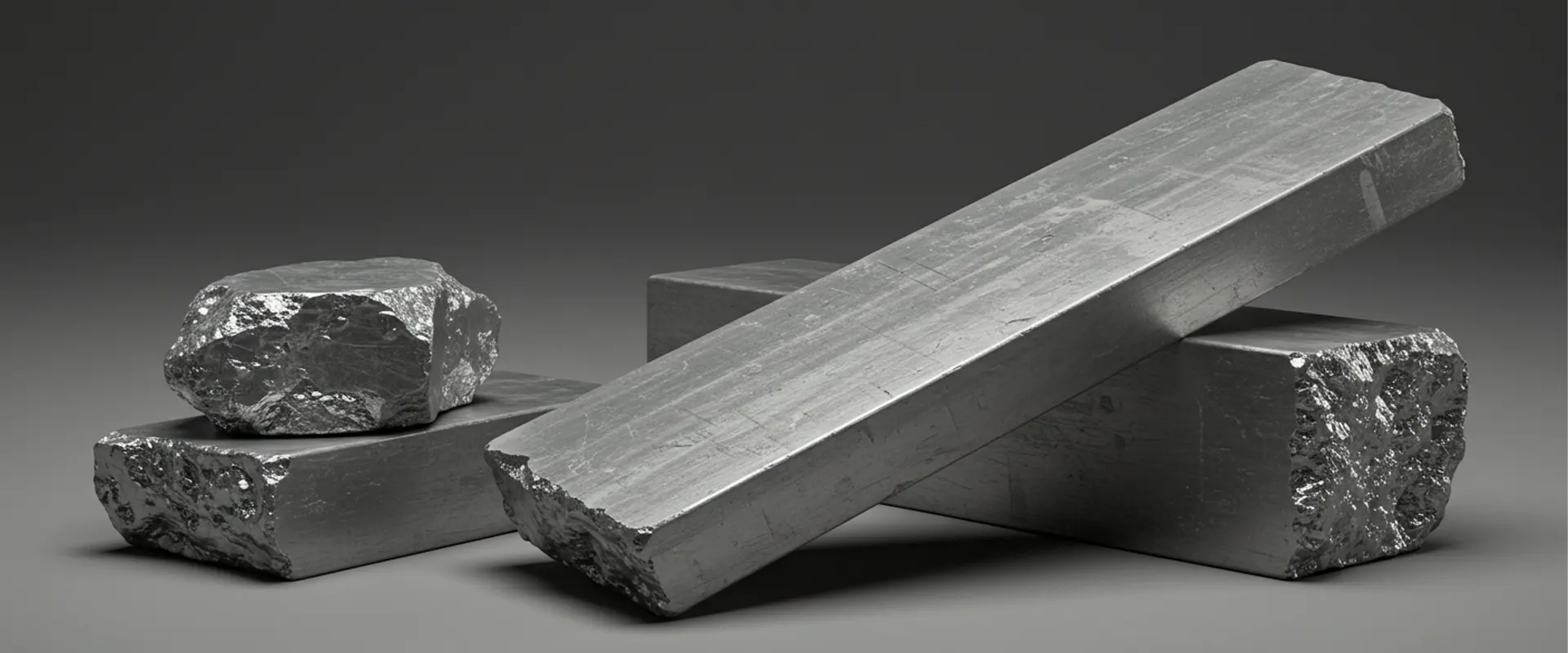
Zinc Alloy (Zn)
Zinc alloy is a versatile metal alloy known for its good strength, excellent castability, and corrosion resistance. It is widely used in die casting for automotive parts, hardware fittings, and decorative items.
Density:
6.8 g/cm³
- Magnesium Alloy
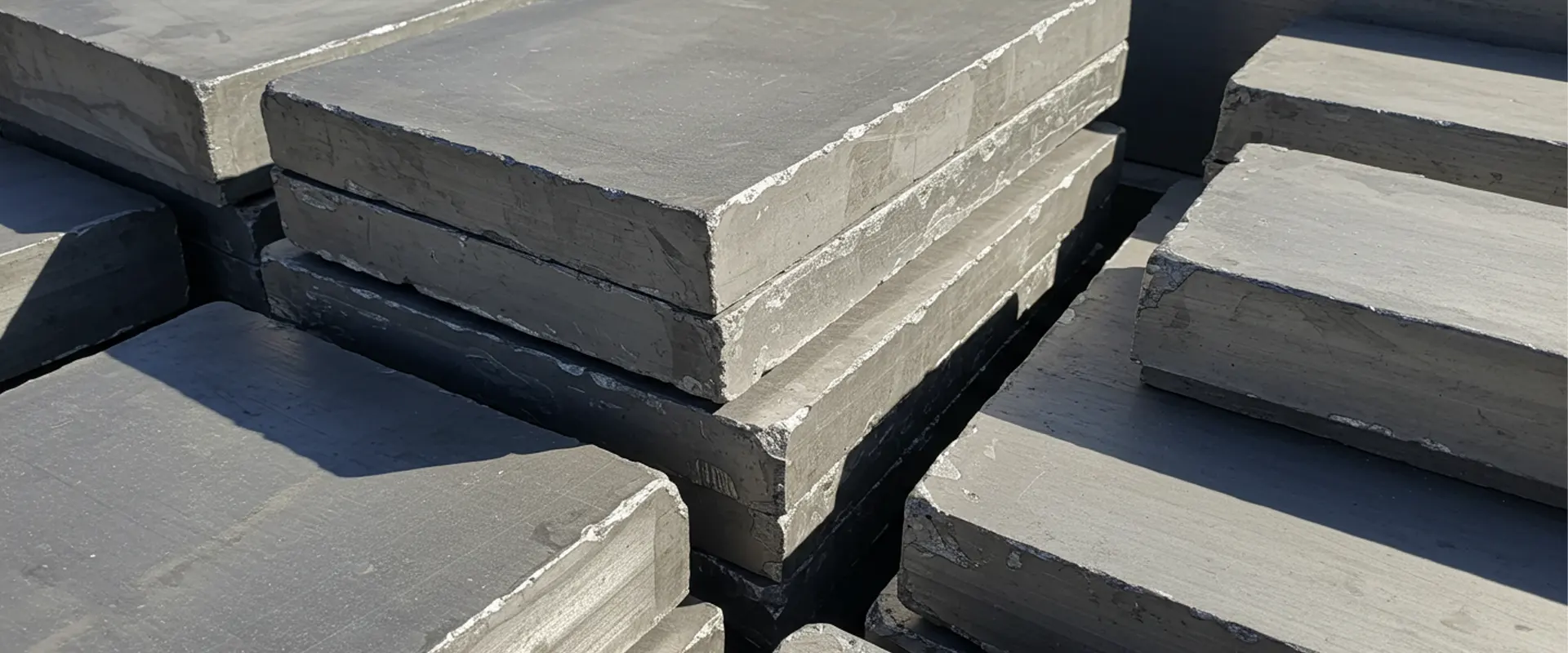
Magnesium Alloy
Magnesium alloy is a lightweight metal alloy known for its high strength-to-weight ratio, excellent machinability, and good vibration damping. It is widely used in aerospace, automotive, and electronics industries where weight reduction is critical.
Density:
1.9 g/cm³

Build a Gold Plating Line With Compliance in Mind
From process planning to wastewater, exhaust and hazardous waste control, we help manufacturers prepare a more reliable foundation for gold plating production in the Philippines.
From Plating Line Planning to Factory Approval
A complete gold plating project should connect process design, environmental control and approval preparation.
| Name | Description | Services | Applicable Projects |
| Process Flow Review | Review degreasing, acid washing, nickel plating, gold plating, passivation and rinsing steps. | Process planning, line layout support | Gold plating lines, connector plating, precision metal parts |
| Wastewater Classification | Separate acid-alkali, heavy-metal and cyanide-containing wastewater. | Wastewater source analysis, collection planning | Small and medium plating workshops |
| ETP System Planning | Design treatment route including pH adjustment, precipitation, coagulation, sedimentation, filtration and activated carbon. | ETP concept planning, capacity suggestion | 10–100+ tons/day wastewater projects |
| Advanced Water Reuse | Add UF, RO and reuse systems for higher wastewater control requirements. | Reuse system planning, discharge reduction | Export-oriented plating factories |
| Exhaust Treatment | Plan scrubbers and activated carbon systems for acid mist and VOC control. | Exhaust collection, scrubber planning, adsorption system planning | Acid pickling, nickel plating, solvent cleaning |
| Hazardous Waste Setup | Prepare hazardous waste storage and disposal process. | Waste classification, storage area suggestions, record system planning | Factories with plating sludge or spent solution |
| Permit Preparation Support | Prepare project information for environmental review. | ECC support documents, discharge permit and air permit preparation | Philippine factory investment projects |
If you do not find the surface treatment process you require, please contact us for support.
One-Stop Gold Plating Line Support
Our support is suitable for manufacturers that need to combine precision metal manufacturing, surface finishing and environmental compliance planning.
-

Production-Oriented Planning
We consider the full plating workflow from pre-treatment to final rinsing, helping customers build a process route that supports stable quality, controlled wastewater and future production expansion.
-
Process flow review
-
Plating line layout support
-
Wastewater source classification
-
-
Environmental Compliance Support
For Philippine projects, environmental approval can directly affect factory setup and production timing. We help organize key control points such as ETP design, exhaust treatment, hazardous waste handling and permit preparation.
-
ECC-related preparation
-
Wastewater discharge planning
-
Air emission control planning
-
-
Export Factory Readiness
For customers serving electronics, automotive, connector and international OEM projects, environmental management records are often part of customer audits. A better-designed plating line can support cleaner production and stronger customer confidence.
-
ETP operating records
-
pH and heavy-metal monitoring
-
Hazardous waste log preparation
-

Our Case Study Library
From precision components to surface finishing projects, we help customers evaluate production feasibility, environmental control and export customer requirements.
Frequently Asked Questions
Below are frequently asked questions regarding Gold Plating solutions. For more details, please contact our experts at sixin668@gmail.com

-
What wastewater does a gold plating line usually generate?
-
Does gold plating wastewater need a separate ETP system?
-
How should cyanide-containing wastewater be treated?
-
Is VOC a major issue in gold plating?
-
What exhaust treatment is commonly used for plating workshops?
-
What permits may be required for a gold plating factory in the Philippines?
-
Is electroplating sludge hazardous waste?

Get Your Parts Into Production Today
Prepare your gold plating line with process planning, wastewater treatment, exhaust control and environmental compliance support from the beginning.
